 EN
ESD Bins for Electronics Manufacturing: Applications and Selection Guide
Introduction
Electronic components are highly sensitive to electrostatic discharge. A small static event that is invisible to the human eye can damage an integrated circuit, weaken a semiconductor device, or reduce the long-term reliability of a PCB assembly. For this reason, effective ESD control must cover more than the production machine or workbench. It should also include the containers used to store, transport, sort, and deliver components.
ESD bins provide a practical way to organize materials while supporting an electrostatic-protected work environment. They are used in SMT workshops, PCB assembly lines, electronic component warehouses, semiconductor operations, repair stations, and other areas where static-sensitive parts require controlled handling.
What Are ESD Bins?
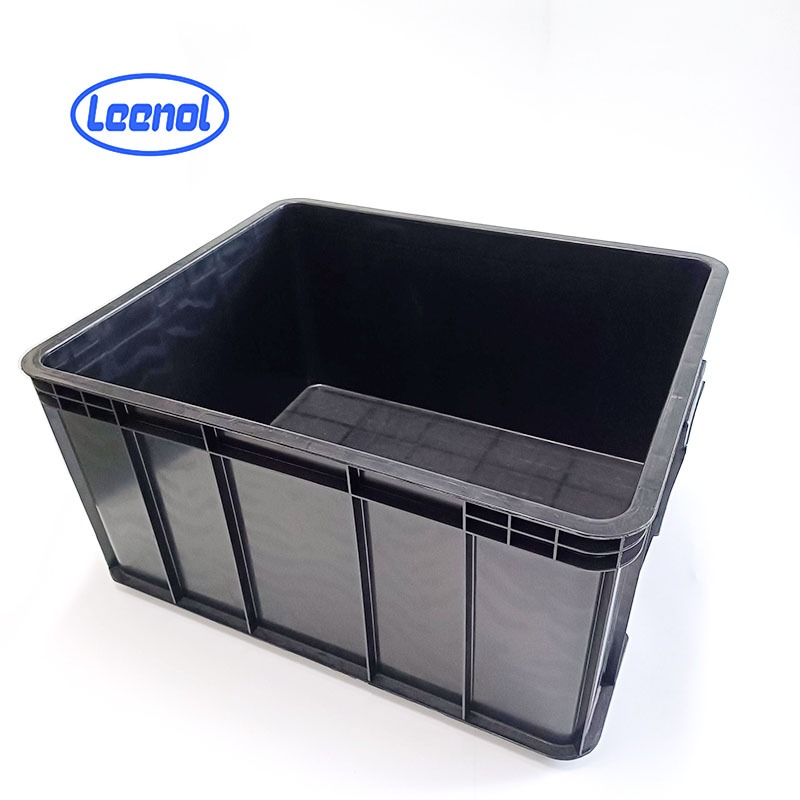
ESD bins are storage containers manufactured with materials or additives designed for use in an electrostatic-protected environment. Depending on the approved product specification, they may be conductive or static dissipative and can be used to store sensitive electronic parts and production materials.
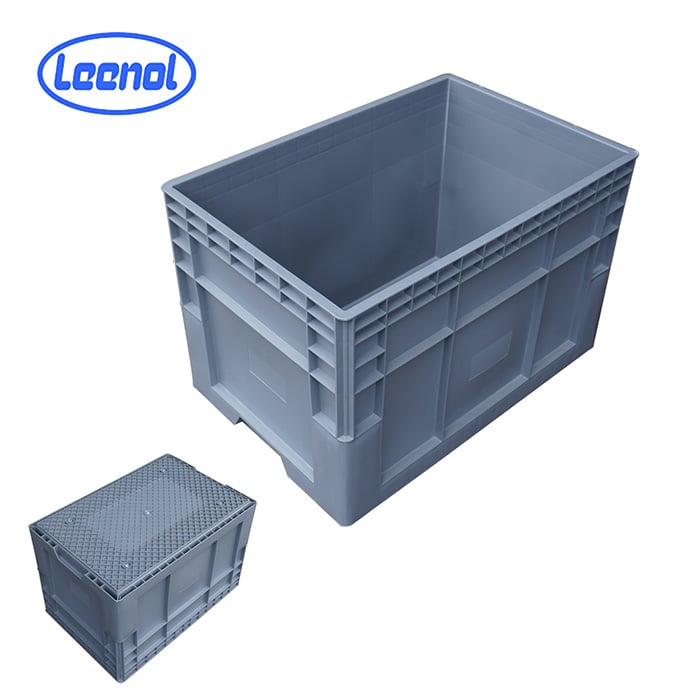
ESD bins are available in different sizes and configurations. Common options include open-front bins, stackable bins, bins with lids, divider bins, removable-divider boxes, and customized containers. Blue ESD bins are widely used for visual organization because the color makes storage areas easier to identify and manage.
The electrical properties of an ESD bin should always be confirmed according to the selected model and the requirements of the customer’s ESD program. A general plastic container should not be treated as an ESD container unless its material performance has been verified.
Main Applications of ESD Bins
1. SMT Production Lines
SMT production lines handle a large number of small components, including resistors, capacitors, connectors, ICs, and SMD packages. ESD bins can be placed beside workstations or material carts to keep components separated by part number, production order, or process stage.
Line-side ESD bins help operators access frequently used materials quickly. They also reduce the risk of mixing components in open cartons or unmarked temporary containers. When each bin is assigned to a specific part or process, material identification becomes more consistent and easier to audit.
2. PCB Assembly and Kitting
Before PCB assembly begins, components are often prepared in kits according to a bill of materials or work order. ESD bins support this preparation process by providing dedicated storage for each component group.
A kitting team can use labeled bins to separate incoming components, verified parts, shortage items, and materials waiting for production. Dividers can be used when several small parts need to be stored in one container, provided the divider configuration is suitable for the application.
3. Electronic Component Warehouses
Warehouses need a clear storage system for receiving, sorting, picking, and replenishing materials. ESD bins help create a more organized warehouse layout by assigning each part number or product family to a designated location.
Stackable ESD bins can make better use of vertical space, while front-access designs allow operators to identify and remove materials without moving an entire storage unit. Labels, barcodes, and location codes can be added to support inventory control and traceability.
4. Semiconductor and Sensitive Part Handling
Semiconductor components and other high-value electronic parts require careful handling throughout the internal logistics process. ESD bins can be used during transfer from storage to inspection, from inspection to assembly, or from one production area to another.
For sensitive applications, the complete handling process should be reviewed. This may include the bin material, grounding method, cover or lid, packaging configuration, operator protection, and the environmental conditions in which the bin will be used.
5. Electronics Repair and Maintenance
Repair departments often handle removed components, replacement parts, test samples, and work-in-progress assemblies. Using separate ESD bins for each repair order helps prevent parts from being misplaced or mixed between projects.
Small bins are suitable for screws, connectors, ICs, and other repair accessories. Larger bins can be used for PCBs, cable assemblies, and parts waiting for inspection. A simple labeling system can improve communication between technicians and the warehouse team.
6. Clean Production and Controlled Work Areas
In controlled production areas, storage containers should be selected according to the cleanliness, material, and operating requirements of the site. ESD bins can help reduce loose packaging and improve workstation organization, but the final suitability of the bin should be confirmed for the specific cleanroom or controlled-area application.
Customers should review factors such as particle generation, cleanability, surface condition, packaging, and whether the selected product has been approved for the intended environment.
Benefits of Using ESD Bins
Improved Component Organization
Dedicated bins make it easier to classify components by part number, size, batch, customer order, or production stage. This creates a more consistent material flow and helps keep workstations clear.
Reduced Searching and Sorting Time
When materials are stored in clearly labeled locations, operators spend less time searching through mixed cartons or temporary packaging. This can support faster picking, kitting, replenishment, and line-side delivery.
Better Space Utilization
Stackable designs help production areas and warehouses use vertical space more efficiently. A modular bin system can also be adjusted as component types or production volumes change.
Support for ESD Control Procedures
ESD bins are one part of a complete ESD control program. When their material properties, handling method, and grounding conditions are suitable for the application, they can help reduce exposure to uncontrolled static charge during internal storage and transport.
Easier Visual Management
Color, labels, barcodes, and fixed storage locations make materials easier to identify. This supports workplace organization and can help teams maintain clearer separation between incoming materials, approved parts, work-in-process items, and production returns.
How to Select the Right ESD Bins
Before placing an order, customers should confirm the following points:
- Application: Identify whether the bin will be used for SMT production, PCB assembly, warehouse storage, repair, internal transport, or another process.
- Component type: Consider the size, weight, shape, quantity, and sensitivity of the materials to be stored.
- Electrical properties: Confirm whether the application requires conductive or static-dissipative performance and request the relevant approved specification or test data.
- Size and capacity: Select a bin that provides sufficient space without allowing small components to move excessively during handling.
- Configuration: Determine whether the project requires an open-front design, lid, divider, removable divider, label holder, or stackable structure.
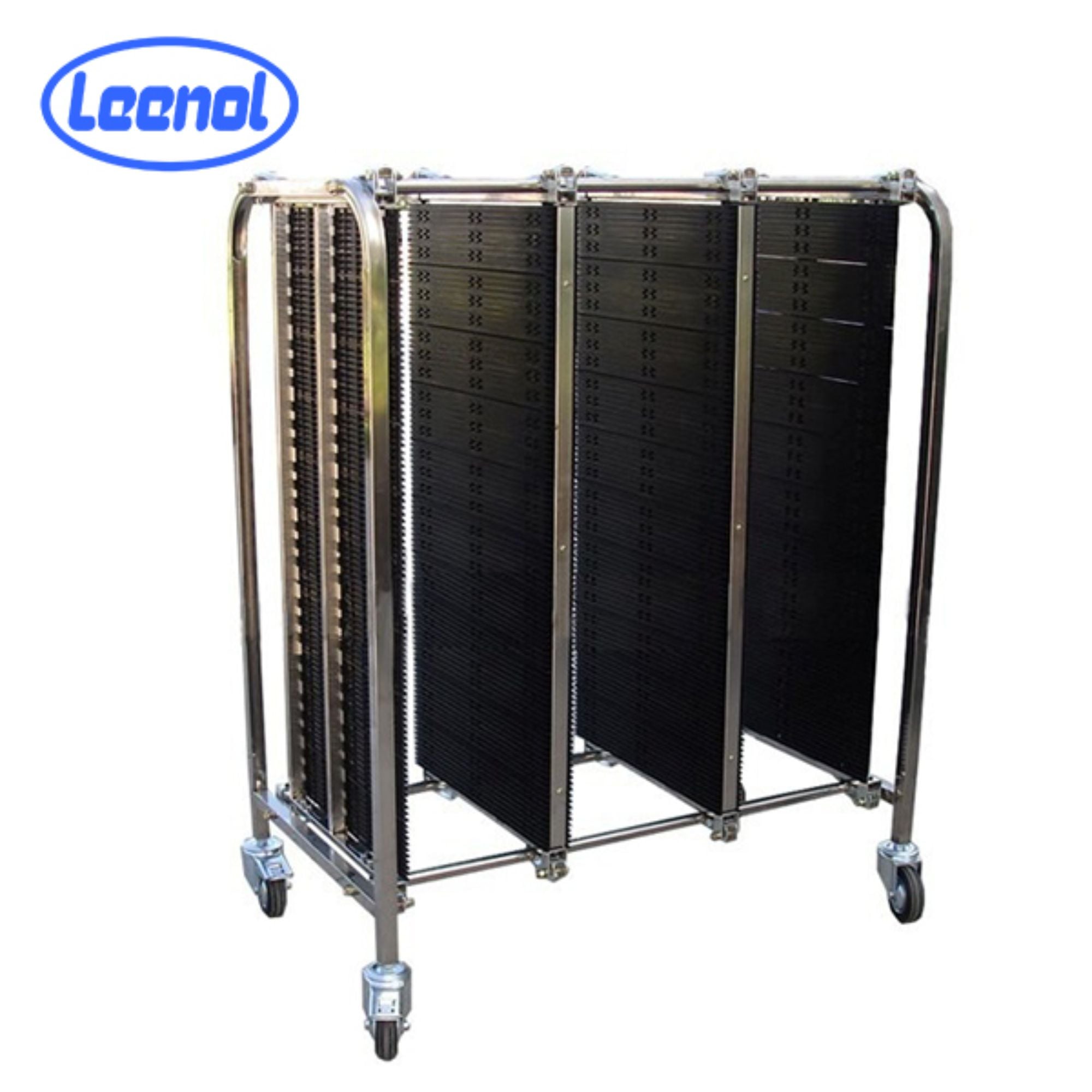
- Workstation layout: Check whether the bin will be placed on a shelf, rack, trolley, workbench, or production line.
- Environment: Confirm whether the bin will be used in a standard factory, controlled production area, warehouse, or cleanroom.
- Customization: For large projects, discuss color, logo, labels, packaging, dimensions, and OEM or ODM requirements in advance.
ESD Bins as Part of a Complete Material Management System
An ESD bin can improve storage and handling, but it should not be viewed as a standalone replacement for an ESD management system. Effective protection may also require grounded work surfaces, ESD flooring, wrist straps, footwear, personnel training, suitable packaging, and regular verification procedures.
The bin should be used according to the manufacturer’s instructions and the customer’s internal ESD procedures. Where required, the customer should verify the bin’s electrical performance, grounding path, cleanliness, and compatibility with other packaging materials.
Conclusion
ESD bins offer a simple and flexible way to improve the storage, sorting, and internal movement of electronic components. From SMT lines and PCB assembly areas to warehouses, repair stations, and controlled production environments, they help create a more organized material flow while supporting ESD handling requirements.
The best solution depends on the component type, storage method, production process, electrical specification, and operating environment. By selecting the correct ESD bin configuration and integrating it into a complete ESD control program, electronics manufacturers can improve material visibility, reduce handling errors, and build a more efficient production workspace.
For customized ESD bin requirements, customers can provide the required dimensions, component type, storage method, application environment, and quantity. These details help suppliers recommend a suitable bin structure and discuss options such as dividers, lids, labels, packaging, and OEM or ODM customization.