
 EN
EN
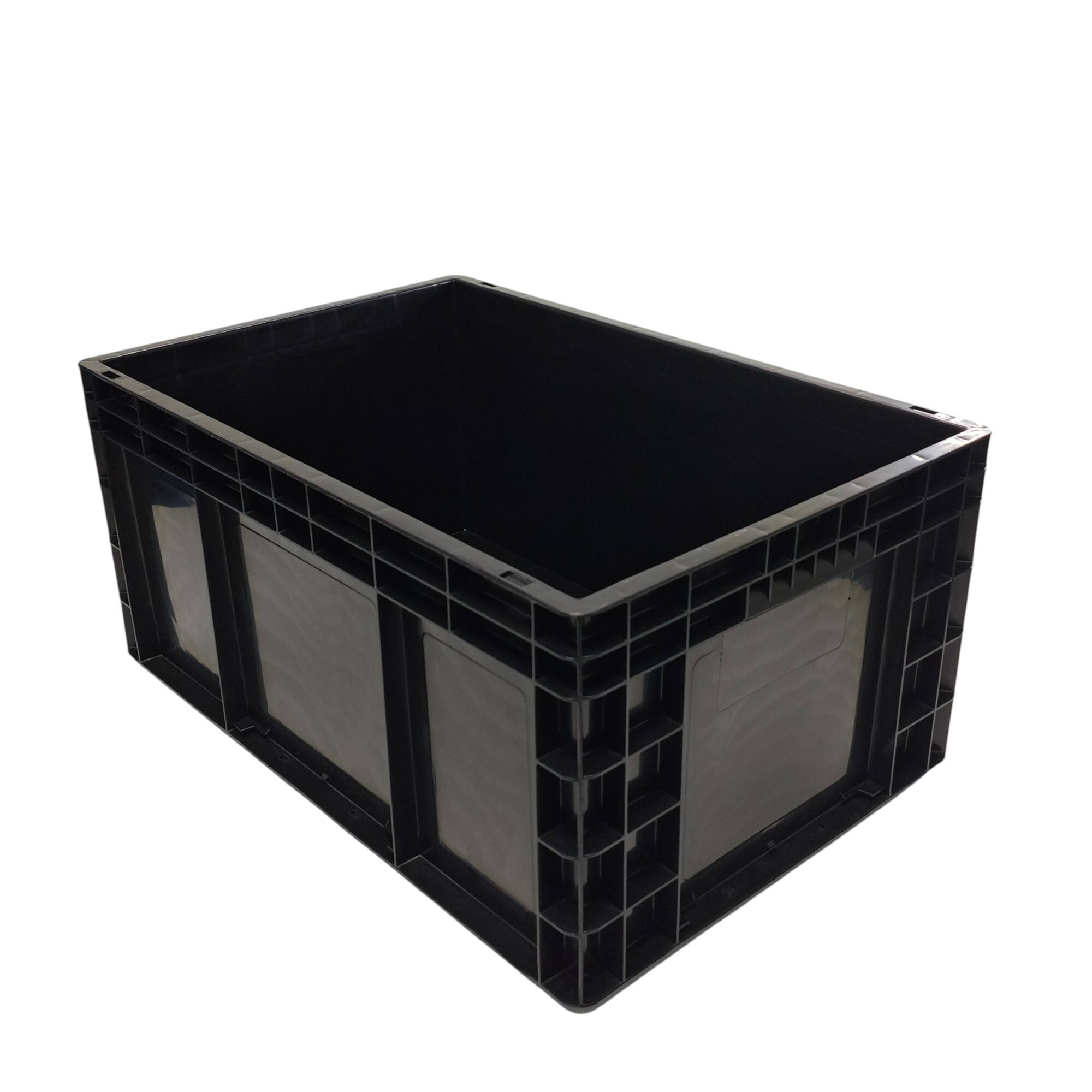
The management of electric shock discharge has been a major issue to numerous organizations in the contemporary manufacturing and logistics industry. Electrostatic discharge or ESD may result in non-visual damages of delicate electronic parts that induce product failures and reliability problems. In this respect, ESD-safe storage bins become a crucial element. These special containers are aimed at safeguarding the production and assembly process of the statical sensitive machines. The knowledge of the industries that tend to use these bins assists supply chain managers and planners of facilities to make well-informed decisions regarding their operations.
Electronics Manufacturing and Assembly
The electronics is the first and most obvious applicant of ESD-safe storage bins. Components that are highly susceptible to discharge by static are dealt with at facilities that manufacture printed circuit boards, semiconductors and microchips. The protection of all resistors, capacitors and integrated circuits should be ensured in such environments between the time that they are received, and the time it is soldered on a board. ESD bins are used by assembly line workers on the individual workstations to store the components, and larger bins are used to move materials between the different stages of production. The whole production floor is usually subjected to stringent standards of electrostatic control and usage of proper storage containers is an essential component of implementation of such industry standards.
Automotive and Electric Vehicle Production
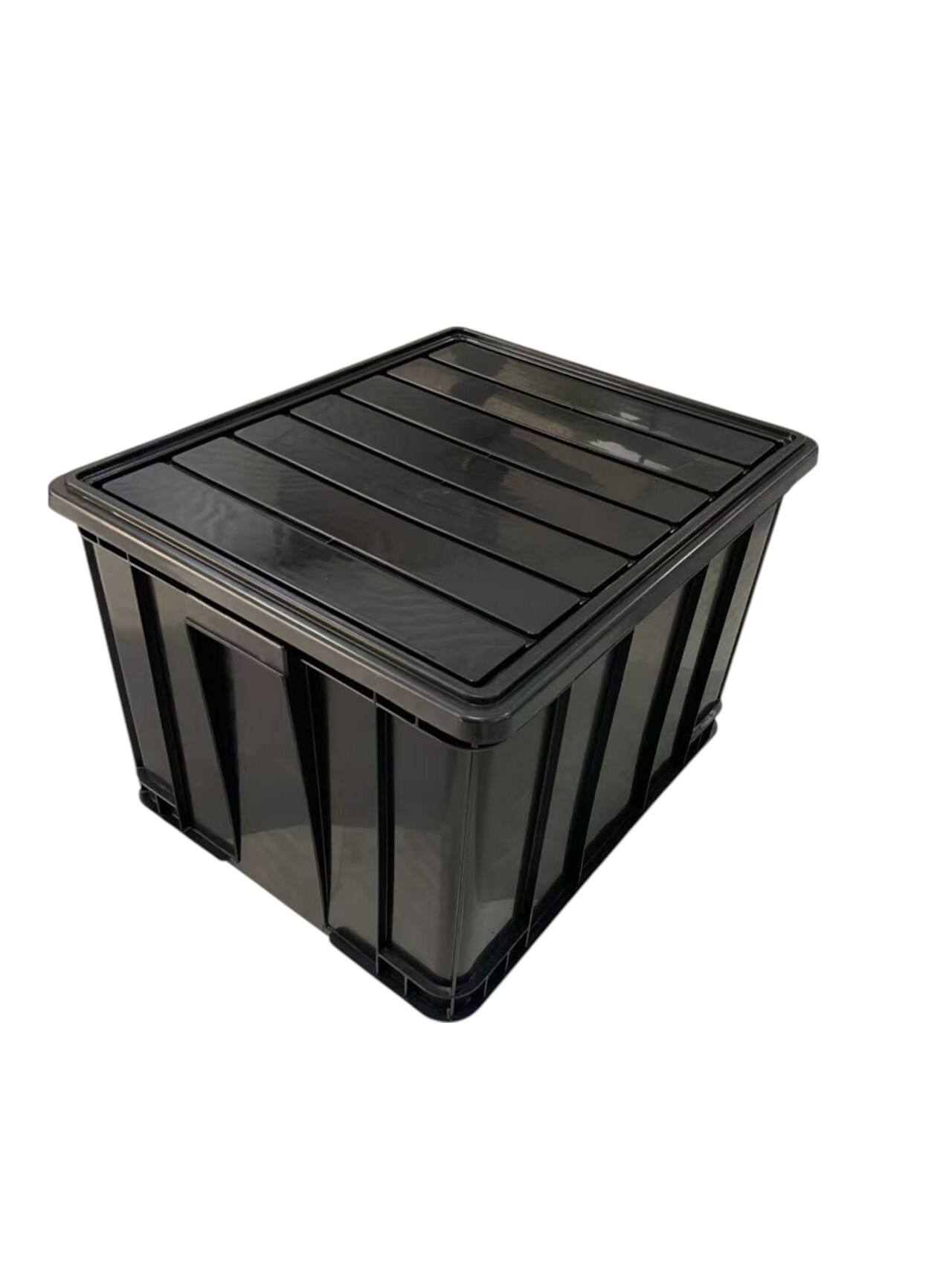
The modern cars have hundreds of electronic control units and sensors which control all facets of the car such as the engine performance and the entertainment systems. With the automotive industry moving towards the use of electric cars, the size of the sensitive electronic parts in every car grows exponentially. The automotive makers and their suppliers extensively use ESD-safe bins to store and transport these items. When the employees are assembling dashboards, navigation systems, and battery management modules, they have to deal with sensitive components that have to be safeguarded all the time. Moreover, the electric vehicle repairing and service centres also require such storage systems whereby one can keep the parts of replacement in the best possible shape before restoring them.
Aerospace and Defense Contractors
Aerospace and defense industry is one of the sectors with the highest quality requirements ever. Aircrafts, satellites, and military equipment have electronic systems that have to work well under severe conditions, and any unexplained ESD destruction may be disastrous. To safeguard avionics modules, communication equipment, and guidance systems, high-quality ESD-safe storage bins are used by companies in this field in the course of the manufacturing process. These bins are frequently part of cleanroom settings where particle and electrostatic contamination have to be suppressed. The aerospace components have a long life cycle and therefore parts lifecycle may be stored over long durations thus requiring even greater attention to ESD protection.
Data Centers and Telecommunications
Data centers and telecommunication networks are considered the backbone of the digital economy and thus need constant upgrades and maintenance. Technicians in these plants deal with delicate server parts, network cards, and fiber optic devices that will be destroyed by the presence of the electric charge. Storage bins optimally designed to be ESD safe are found in the on-site repair shop and inventory rooms to store the spares and replacement modules. Telecommunication firms that are installing and maintaining base stations and transmission equipment are also using portable ESD containers to transport components to the field. The stability of these networks is based on the quality of each component and it is therefore important that it is properly stored..
Medical Device Manufacturing
The medical technology is still evolving with electronic advanced features in diagnostic equipment, patient monitors, and implantable devices. Producers within this industry are supposed to maintain utter reliability since the malfunctioning of devices may have direct impact on the health of patients. Storage bins that are ESD-safe are used to ensure that the delicate electronics of medical equipment is not damaged during manufacturing and testing. ESD bins which can withstand cleanrooms are very significant in the businesses which manufacture sterile devices that cannot withstand either electrostatic or particulate contamination. Traceability requirements prevalent in this sector also imply bins whose labeling fields are clear to ensure there is good inventory control and they should also be offered the necessary protection.
Research Laboratories and Educational Institutions
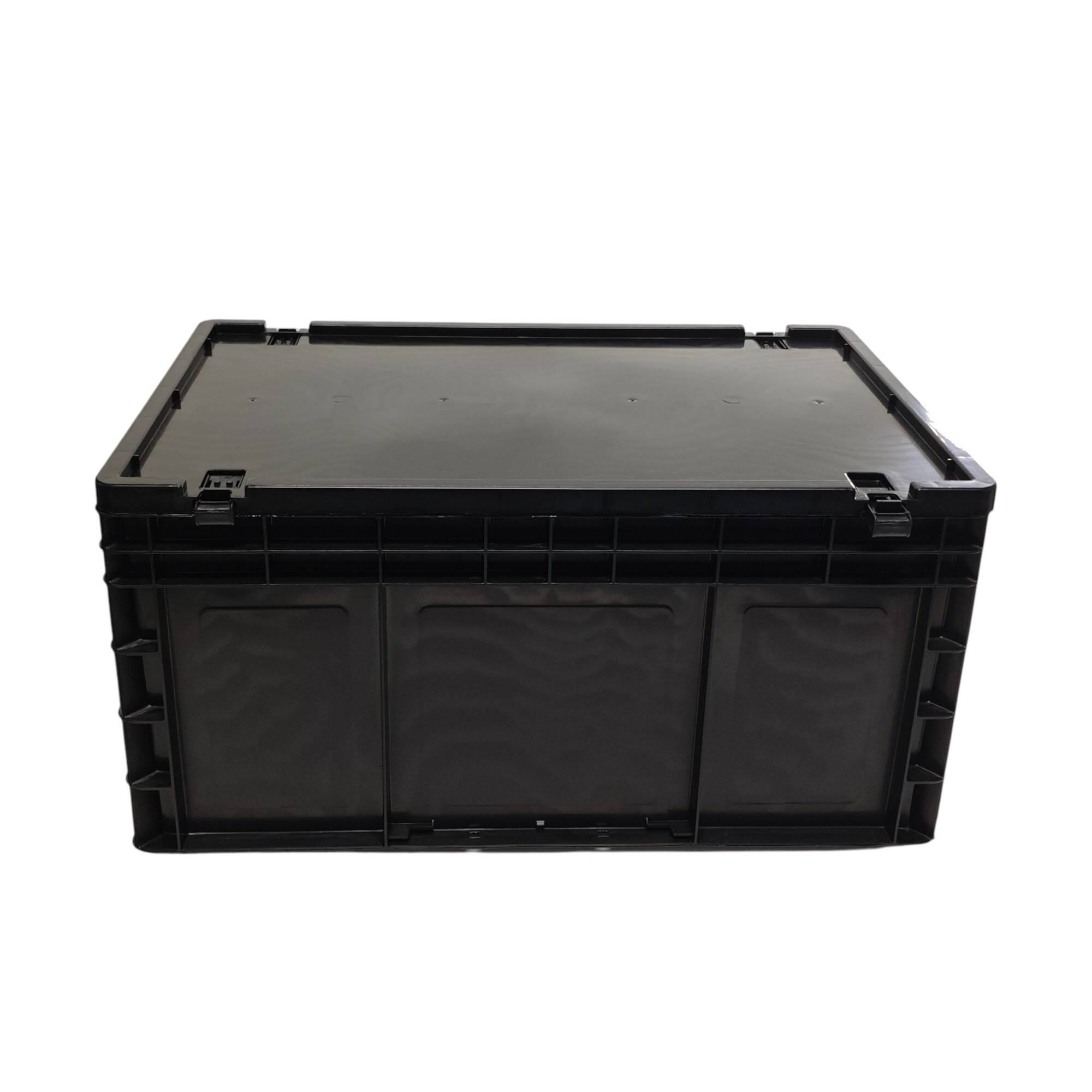
Experimental work with sensitive electronic components is done in universities, research institutions, and corporate research and development labs. These stores usually deal with low volumes of high-priced or prototype components that demand high storage attention. Investigators exploit ESD-safe bins to arrange experiment components, so that their work would avoid any form of static damage that may jeopardize findings. These storage solutions are also required by the engineering schools that teach electronics design to safeguard educational resources and student projects. Although its size might be smaller than the manufacturing facilities, the necessity of the dependability of ESD protection in research and education is equally significant to obtain precise results.
Conclusion
The use of ESD safe storage bins cuts across a large number of industries where electronic reliability is the major factor. These basic containers are very crucial in quality assurance, whether in the production floor of a semiconductor fab or in the service bench of a telecommunications technician. Shanghai Leenol Industrial Co. Ltd. is aware of such varying industrial needs and provides suitable storage solutions to fulfill the requirements of companies that store sensitive parts. The choice of appropriate ESD-safe bins can be directly related to the quality of the products, customer satisfaction, and efficiency of any company working with the devices, which are sensitive to the electric shock.